The Region
A Place You Can Trust
“The Doiro sublimated. The prodigy of a landscape that ceases to be by forcing itself to be unmeasured. It's not a panorama that the eyes contemplate: it's an excess of nature. Terraces that are the footsteps of titanic men climbing the slopes, volumes, colours and modulations that no sculptor, painter or musician can translate, horizons expanded beyond the plausible thresholds of vision. A virginal universe, as if it had just been born, and already eternal in its harmony, its serenity, its silence that not even the river dares to break, sometimes furtively disappearing behind the hills, sometimes stunned at the bottom reflecting its own amazement. A geological poem. Absolute beauty.”
Miguel Torga in “Diário XII”
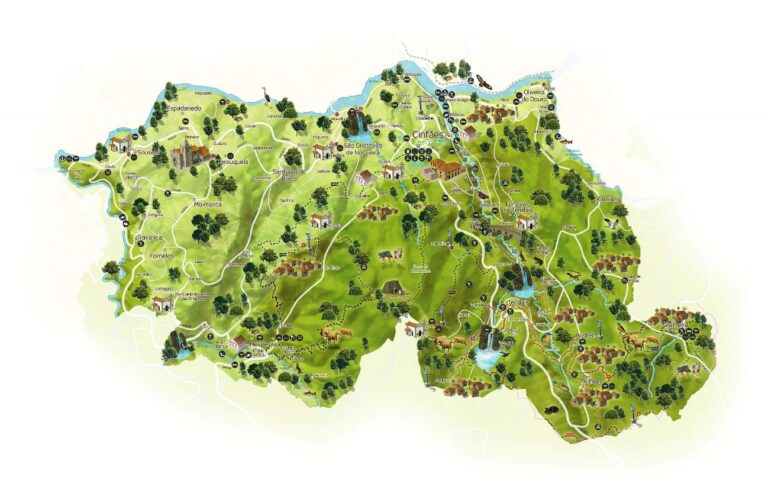
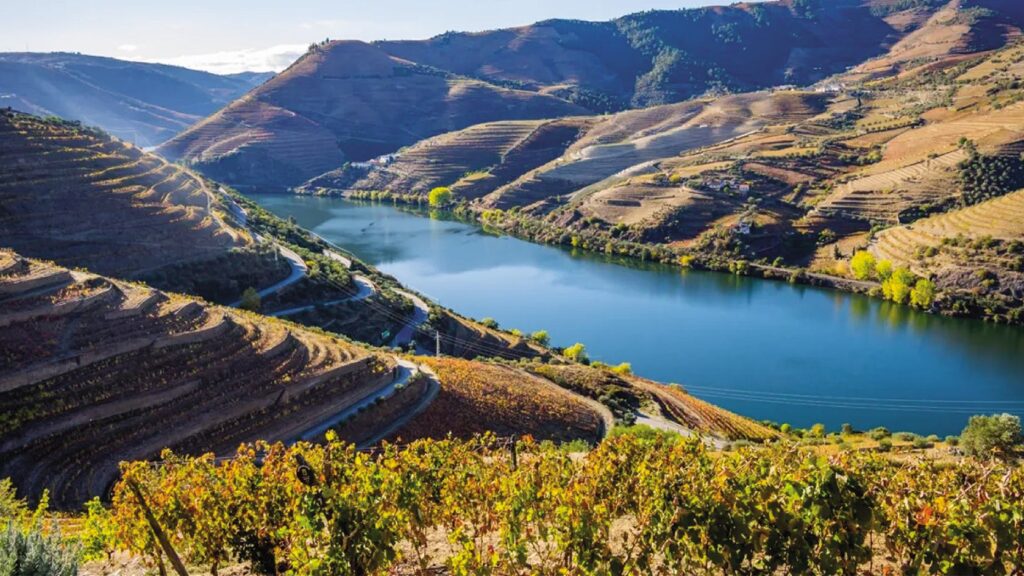
On the left bank of the Douro, Cinfães is just over an hour from the urban centres of Porto, Braga and Aveiro, and less than an hour from Viseu.
Cinfães is a place where you can breathe in nature and breathe out health. The perfect place to enjoy peace and quiet, in a region in its purest state of preservation, just a stone's throw from the major urban centres.
With its unique natural landscapes, diverse historical and cultural heritage and charming villages that seem straight out of a fairy tale, Cinfães is a true paradise to discover at your leisure.
It was in Cinfães, in the parish of Santiago de Piães, that our first king, Afonso Henriques, lived part of his youth, always accompanied and carefully and strategically educated by his uncle, Egas Moniz.


Villages
Boassas
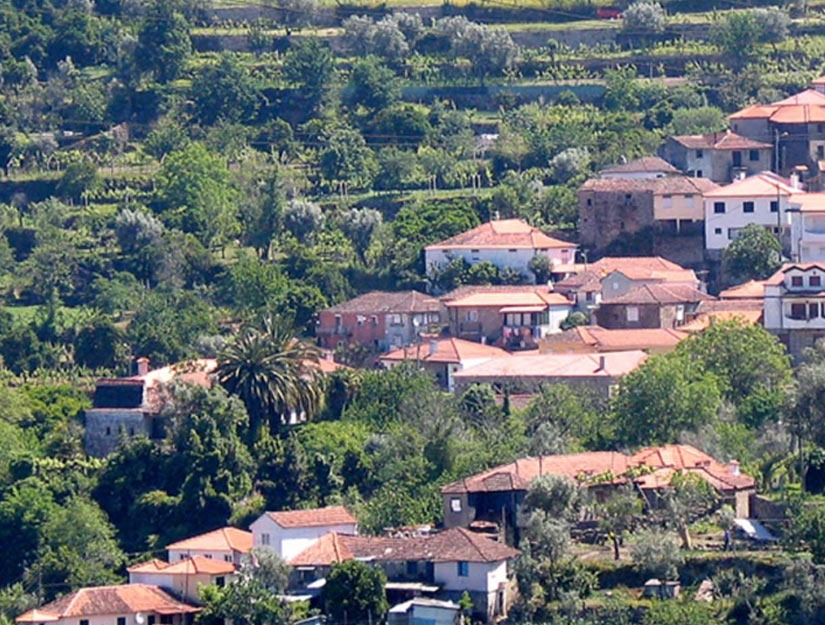
With its privileged position in the Bestança Valley and overlooking the Douro River, the village of Boassas has been part of the Aldeias de Portugal network since 2005.
Characterised by its narrow streets and typical courtyards, surrounded by nature and breathtaking landscapes, it has a valuable built heritage with several noble, centuries-old buildings that deserve to be highlighted.
Home to one of the county's most illustrious figures, the explorer Alexandre de Serpa Pinto, this village also took part in 1938 in the famous Estado Novo competition to choose the most Portuguese village in Portugal.
It should also be noted that it is in this village that you can see the only tree of public interest in the municipality of Cinfães, a cypress tree that is over 150 years old.
Gralheira
Located on the edge of the municipality, in the heart of the Montemuro mountain range, at an altitude of around 1100 metres, the village of Gralheira is also known as the “Princess of the Mountains”.
With a breathtaking landscape, surrounded by fertile, verdant marshes favourable to cattle breeding, this is one of the main activities in the village and one of the main sources of wealth for its people.
This town is known for its harsh winters and snowfalls, which occur with some regularity and offer magnificent panoramas from here.
In the centre of the village you can still see some typical houses, built with granite and some of them still covered in thatch.
This village is also characterised by its close-knit and dynamic population, and the local gastronomy stands out, promoted by the two restaurants here, which offer their customers fantastic delicacies such as Arouquesa veal, lamb and lamb roasted in a wood oven, stews, salpicão rice, among others.


Bustelo da Lage
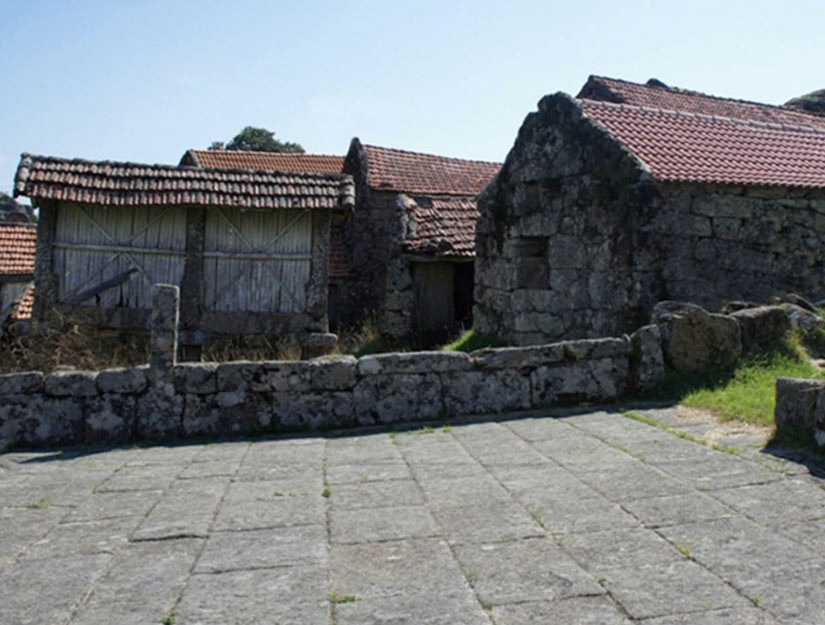
Located on the slopes of the River Bestança, the village of Bustelo (or Bustelo da Lage) is characterised by its rural settlement, its surroundings of cobbled paths, mills, haystacks and granaries.
The threshing floors, characteristic flat spaces, slabbed with granite, with good exposure to the sun, where even today the inhabitants share agricultural tasks and are a meeting and socialising point.
Traditions are still very much present in everyday life and agriculture is an integral part of life in this village.
As a reflection of the Serra's popular culture, the geographical, environmental and landscape disparities between the Serra do Montemuro and the Bestança Valley can be seen here.
Papas Valley
A typical village with cold and contained roots, with a concentrated rural settlement that offers one of the best rural experiences. With a tradition of livestock and cereals, it is basically made up of small stone buildings with thatched roofs, a rectangular floor plan and a single room, including a fireplace with a kitchen and oven, and an alcove with a bed and a small rest area. At the same time, a large number of cattle pens and granaries for storing agricultural produce predominate.
The central rural centre has a communal threshing floor with a storeroom, chapel and pavements dating back to the Roman period.
CHURCHES & CHAPELS
Church of Our Lady of the Nativity in Escamarão
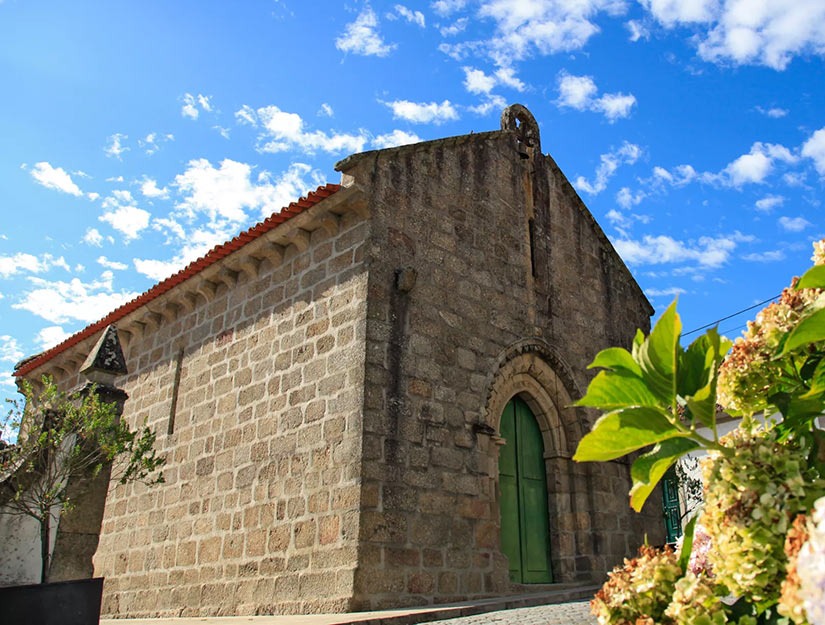
Despite its late appearance, the Church of Our Lady of the Nativity of Escamarão is particularly important due to its strategic location at the confluence of the Paiva and Douro rivers.
The church has a single nave and a rectangular chancel, both defined by massive walls. With the exception of the Gothic window that cuts through the chancel's back wall and the small rose window that tops the triumphal arch at the nave level, the interior of this small church is illuminated by narrow gaps on both sides of the nave and chancel. Several authors place it in the so-called late Romanesque period.
The natural floral motifs that decorate the central archivolt of the main portal and the interior of the Gothic window in the chancel, as well as the quadrangular shape of the corbels in the nave and those on the prow of the transept, all bear witness to a late chronology, somewhere around the 14th century.
The interior of the church is dominated by granite and the remaining liturgical furnishings were designed in modern times. Various testimonies tell us that there was a mural painting in this church until at least the beginning of the 20th century, which has been attributed to the 16th century.
Chapel of St Peter of the Field
Due to the purity of its air, this place was also used to treat tuberculosis, so the house next to the chapel - a 19th century building - may also have served as a shelter for the sick or occasional passers-by, in addition to supporting the cult.

Church of St Mary Major in Tarouquela
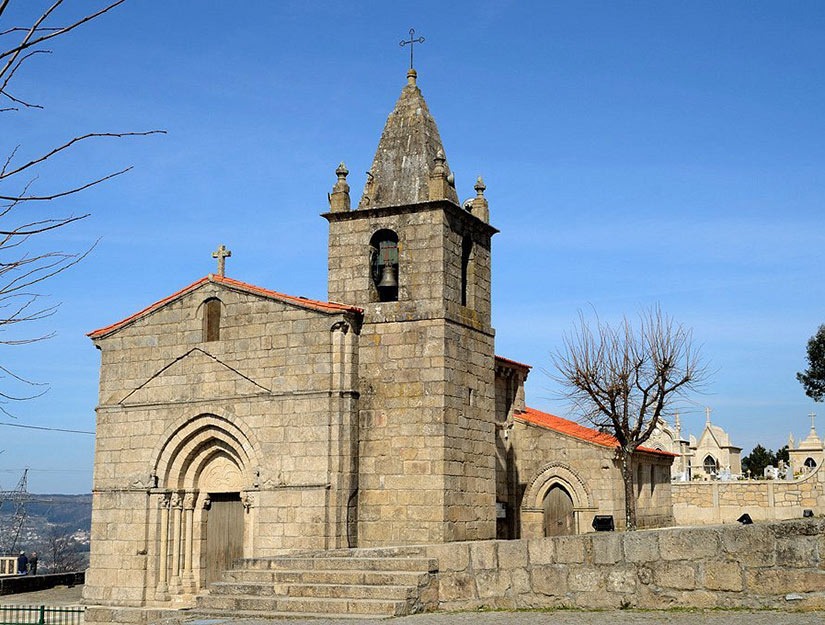
The historical importance of Tarouquela is today only signalled by the remnants of the church, which was part of one of the first female monasteries of the Order of St Benedict south of the Douro.
Its origins, in the middle of the 12th century, associate this monastic house with a couple, Ramiro Gonçalves and his wife D. Ouruana Nunes, who acquired an estate that had belonged to Egas Moniz, said to be Afonso Henriques' uncle, and his wife.
Church of Santa Marinha (Matriz)
The interior of the parish church is rich in both artefacts and art. “From the artistic heritage, the parish has an iron Romanesque cross, perhaps from the 14th century, with floriated points, with Christ's head slightly inclined on the left shoulder. (...) It also has a Renaissance custodian, with an oculus flanked by two pairs of colonnades and four tintinnabula hanging from the dome. The ancient image of the patron saint, made of ançã stone from the 15th to 16th century, presides in a niche under the empana, in the square opposite the entrance” (Costa, 1979, p.388).
The carved wooden pulpit with side panels and Doric cornice, which “would advance 4 palms outside the wall, with its dog” (Costa, 1992, p. 651), was kept.

Mother Church of Travanca
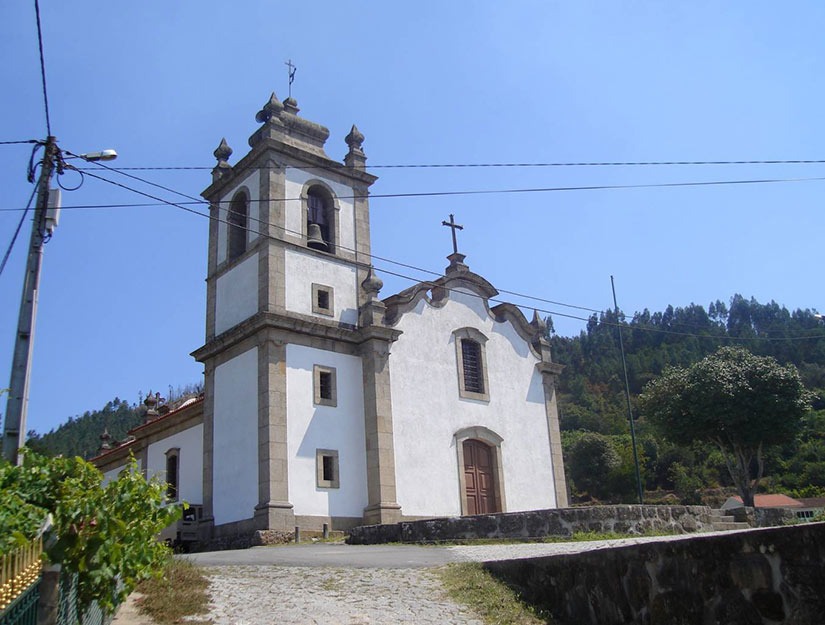
On the main altar are the wooden images of the patron saint and St Joseph. On the sides are the Sacred Heart of Jesus, St Sebastian, Our Lady of Deliverance, Blessed Nuno Álvares Pereira, St Philomena, St Barbara and Our Lady of Fatima.
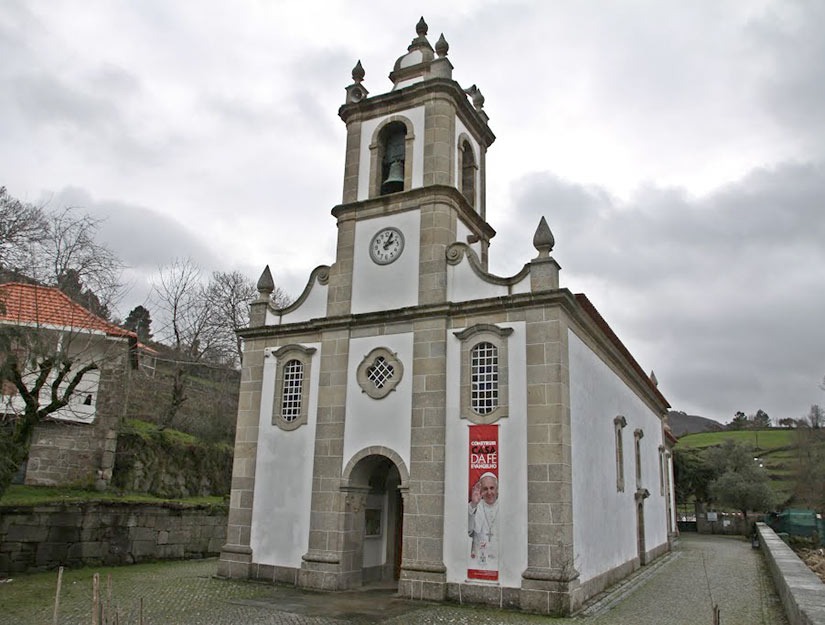
Tendais Parish Church
The parish church of Tendais, whose patron saint is Santa Cristina (from Bolsena), located in Quinhão, was rebuilt in 1767 in the late National Baroque style. The current building, built during the Pombaline government, replaces an earlier one, probably medieval.
The bell tower stands in the centre of the façade of this church, which has a single nave. It has four altars inside, in addition to the high altar (two side altars and two collateral altars).
The ceiling is decorated with a representation of the Last Supper.
Souselo Parish Church
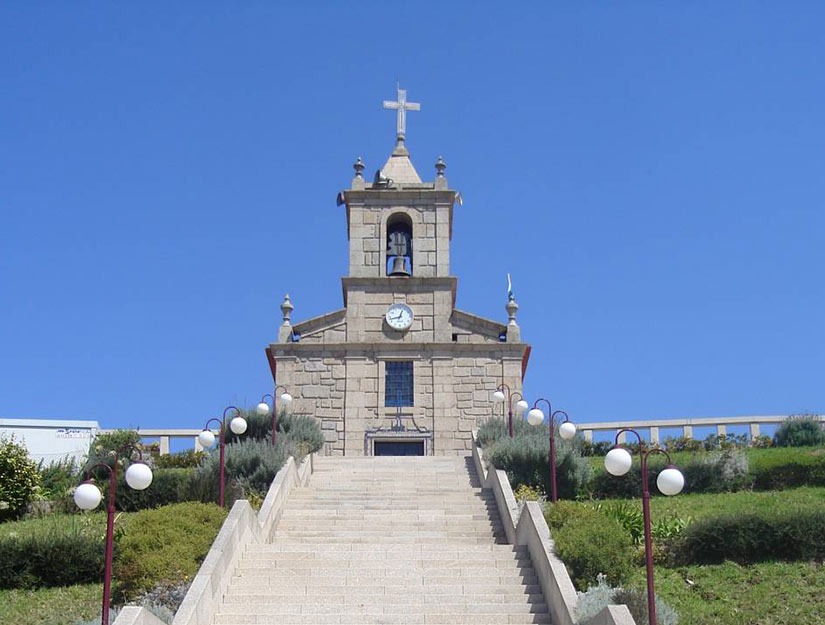
Inside, it consists of the high altar, two side altars, two collateral altars and two pulpits. The high altar tribune was built shortly before 1719.
In 1998, work began on improving the interior of the church, with a new ceiling and floor, the walls being restored and the altars painted.
A stone altar was also placed in the body of the chancel, the exterior wall of the church was cleaned and the churchyard was widened and the respective paving carried out.
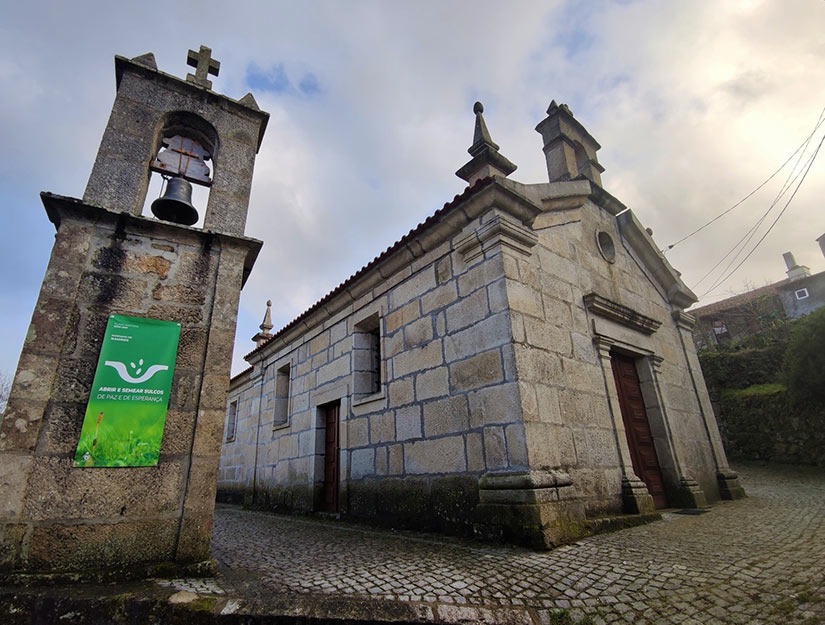
Ramires Parish Church
The church is modest and small. It was restored in 1993 and has images of Santa Marinha and Santo António on the main altar and Our Lady of the Rosary, the Sacred Heart of Jesus and Our Lady of Fatima on the side altars.
Moimenta Parish Church
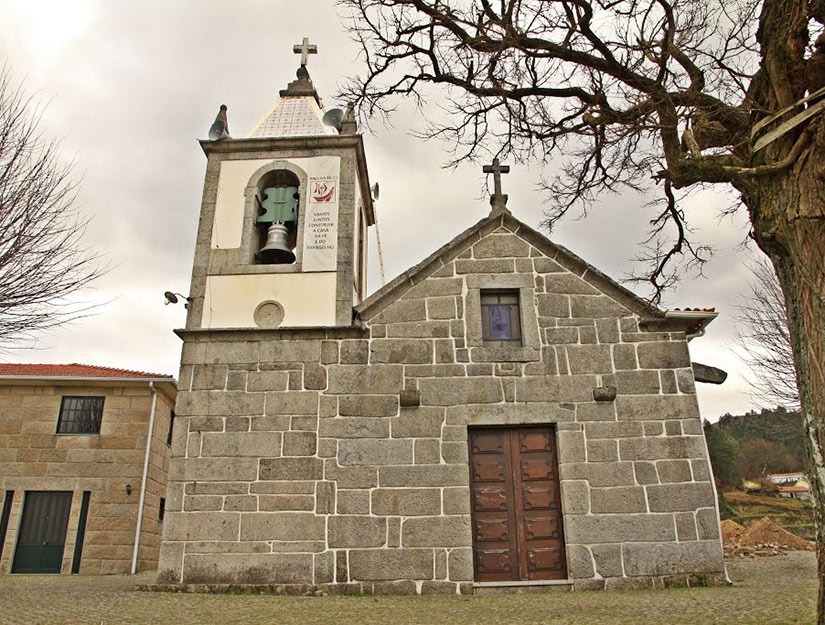
The church had three side altars with Solomonic columns decorated with curls and birds. The high altar was rebuilt at the beginning of the 18th century and the altarpiece seems to have been cut to fit where it is and may have come from elsewhere.
Over time, this church has undergone changes and in the 1970s the wooden altars and pulpit were removed, while in the 1980s all the masses were removed, both from the interior and exterior walls.
The main altar is embellished by the images of the patron saint, which probably date back to the 18th century, and St Anthony. On the side altars are the images of Our Lady of the Rosary, the Sacred Heart of Jesus, St Peter, the Child Jesus, St Sebastian and Our Lady of the Conception.
Fornelos Parish Church
This temple has an elongated shape, with the chancel being an addition.
Both the church and the attached residence have a palatial style from the 17th to the 18th century.
Inside, the side altars are dedicated to Our Lady of the Rosary and the Name of Jesus, complemented by images of St Martin, Our Lady of the Assumption, St Sebastian and St Joseph on the main altar and St Barbara, Our Lady of the Rosary, the Sacred Heart of Jesus and Our Lady of Fatima on the side altars.
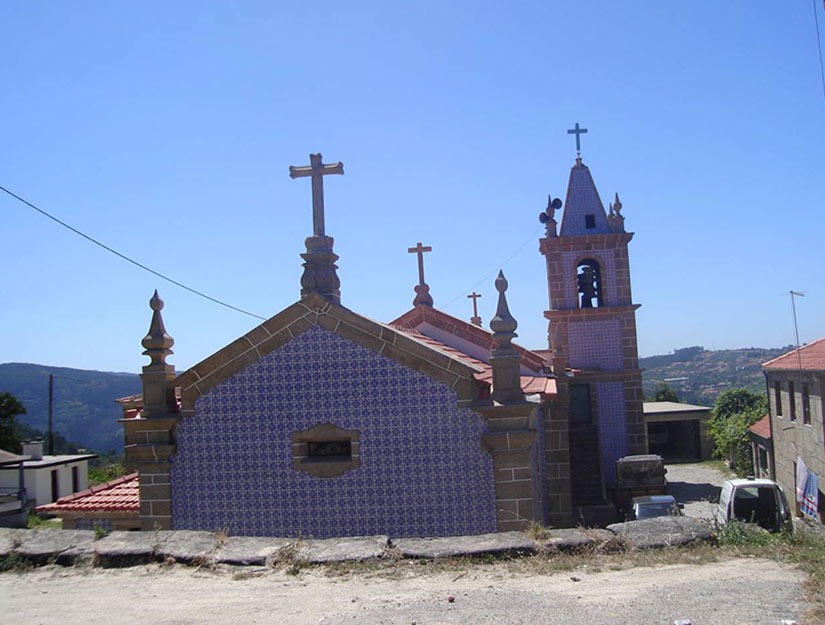
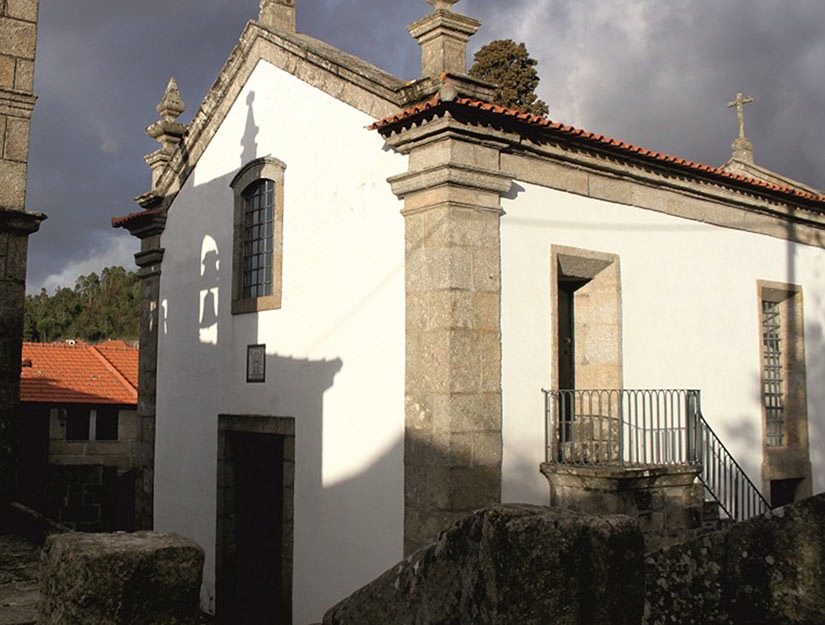
Parish Church of Ferreiros de Tendais
Baroque religious architecture. Church with a single nave, choir, chancel and sacristy. Strongly illuminated by 6 windows on each side elevation.
Inside, polychrome wooden coffered ceilings with images of saints. National-style altarpieces decorated with grapevines and bunches of grapes. Seventeenth-century tiled panelling lining the inside of the building.
Espadanedo Parish Church
Inside this temple there are several images representing saints, namely St Christopher and St Anthony on the main altar, the Sacred Heart of Jesus, St Therese, St Peter, St Sebastian, Our Lady of Sorrows, the Crucified Christ, St Rita, Our Lady of Fatima, the Child Jesus, Our Lady of the Rosary and Our Lady of the Conception on the side altars.
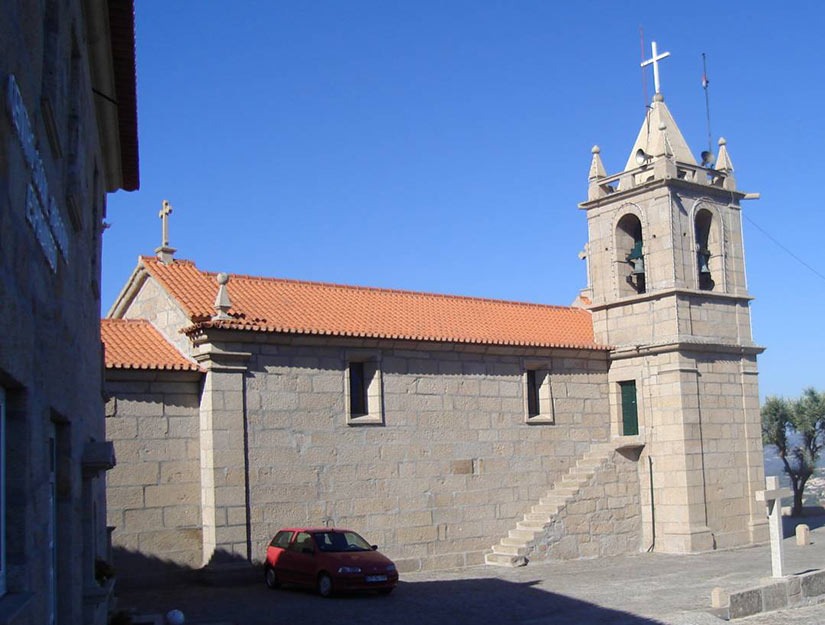

Parish Church of Cinfães
Baroque and neoclassical religious architecture. Church with a single nave, projecting transept, high choir, chancel and sacristy.
Exuberance of the façade to the detriment of the other elevations. Tower façade with exonartex, a solution repeated in the parish churches of Mezio and Moura Morta (Castro Daire). Illumination through capital windows. Cot vault in the transept and chancel and false wooden cot vault in the nave.
Rectangular chapels flank the nave, with a late Baroque style and decoration.
Bustelo Parish Church
The church is a modest temple, built with large granite blocks, with a bell tower to the left.
In the churchyard, there are still two anthropomorphic tomb chests, which seem to have belonged to the Christian cult at the time of the Suevo-Visigothic monarchy.
The interior of the temple is simple, embellished by the images of St John the Baptist and Our Lady of Fatima on the main altar and the Sacred Heart of Jesus, the Child Jesus, St Barbara and St Anthony, Our Lady of the Rosary, St Teresa, St Joseph and St Sebastian on the side altars.
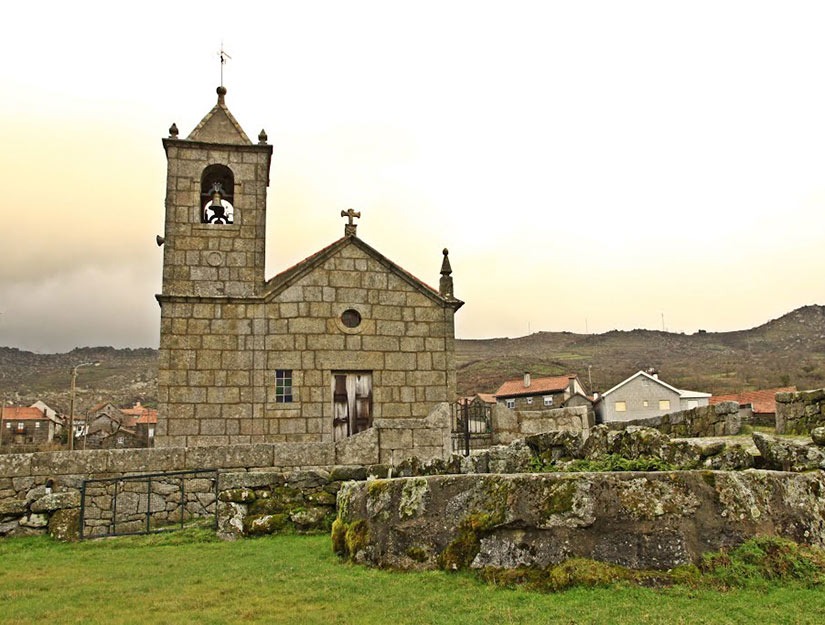
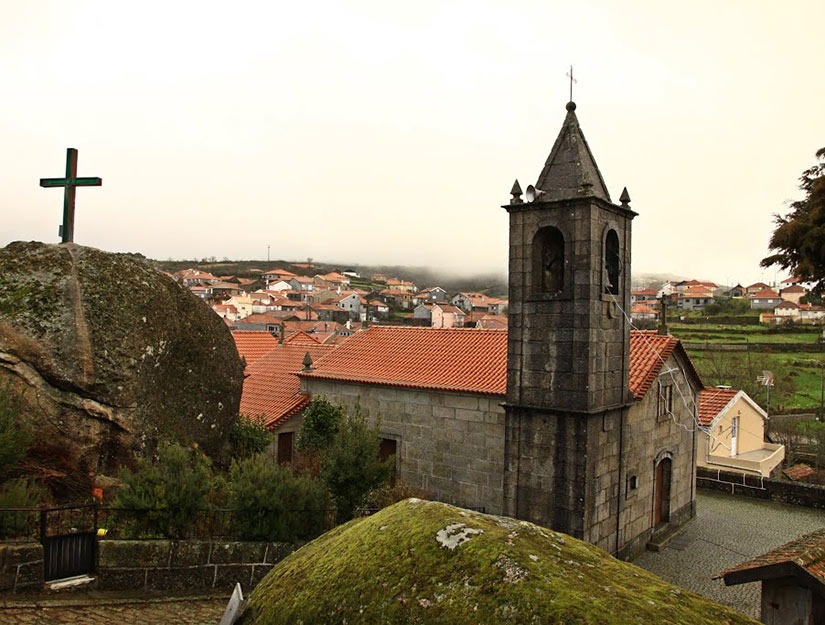
Mother Church of Alhões
In 1726, the church still didn't have a tabernacle, but it already had three altars, the side ones dedicated to Our Lady of the Rosary and the Name of Jesus.
In 1955 the work to enlarge and restore the church was completed, giving rise to the current building, with a bell tower on the side of the main façade.
The interior decoration is sparse, but the images of St Pelagius and Our Lady of Remedies can be seen on the high altar. On the side altars are Our Lady of the Rosary and the Sacred Heart of Jesus.
Gralheira Parish Church
In the centre of the village stands a small temple, all in granite, which at the beginning of the 17th century did not yet have a tabernacle. It did, however, have three altars, the side ones dedicated to St Sebastian and Our Lady of the Rosary.
In 1950 it was enlarged and the bell tower was erected, replacing the old belfry that had stood there.
Inside there are images of Senhora da Agonia, Senhora do Rosário and São Gonçalo on the main altar, and Nossa Senhora da Graça, Santo António, São Sebastião, Sagrado Coração de Jesus, Imaculado Coração de Maria and São José on the side altars.
In the modern, elongated church, the patron saint is Our Lady of Grace, artistically realised in a wooden sculpture, perhaps from the beginning of the 17th century.

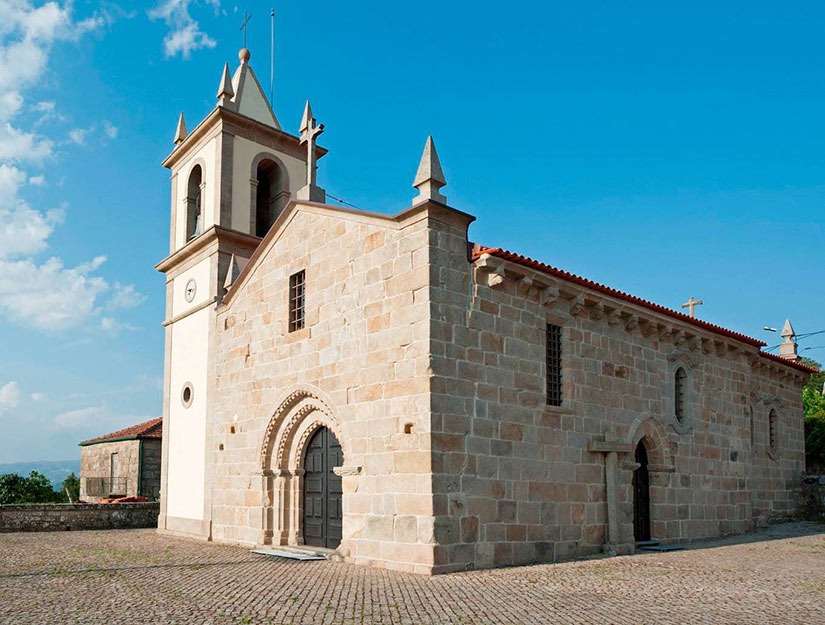
Church of St Christopher of Nogueira
With its façade facing the Douro valley, the Church of São Cristóvão de Nogueira is representative of the organisation and formation of parishes in the Lower Middle Ages (1000-1453).
Composed of a single archivolt dominated by the enclosing arch, on the closing voussoir we see an inscription, rather faded, but which could be translated as IHS, an allusion to Christ as the Saviour of mankind.
The puppy section of the nave is very rich in sculpted themes. Human figures and various animal snouts remind us that, particularly during the Romanesque period, modillions were taken on as a central element of architectural composition.
The ceiling of the nave shows a rich Baroque work of craftsmanship and painting, where 57 panels have created an authentic sanctoral: saints of the Counter-Reformation, holy bishops, apostles, martyrs and the well-known intercessors of the popular devotional.
Chapel of Portas de Montemuro
Located on the edge of the municipality of Cinfães, in the highest part of the municipality, this chapel originated as a niche with an image of Nossa Senhora do Amparo, to which pilgrims began to flock, significantly increasing the number of devotees.
In 1758, the people of the village of Alhões built a chapel on the same site.
Nowadays it is only used to celebrate the Eucharist on the day the annual fair is held here, the third Sunday in August.
Due to its location, this chapel hasn't had any images inside for some years now, as all the ones that were there were stolen.
Museums
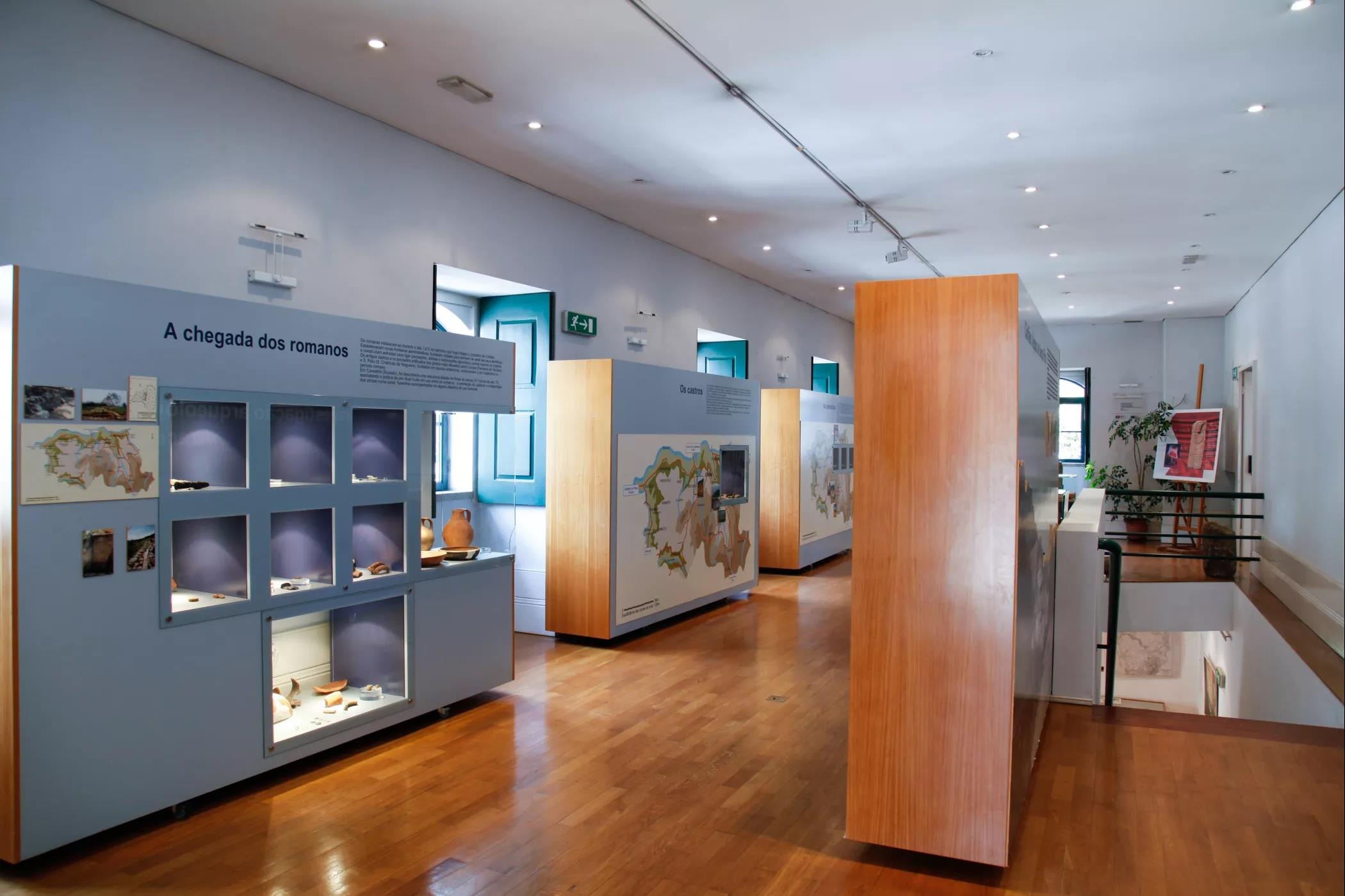
Serpa Pinto Museum
Surrounding the garden and bearing the same name as the explorer from Cinfanense, the building that once served as the Guard Post and Prison has been reorganised into a space for promoting and sharing the life of Serpa Pinto.
Ethnographic Museum of Nespereira
As well as the indoor space, filled with the legacy of a display of tools, practices and experiences, there is also a large outdoor space where a threshing floor, a canastro and all the implements of agricultural activity are on display. The multifunctional space also hosts various types of events, such as exhibitions and themed and educational activities.

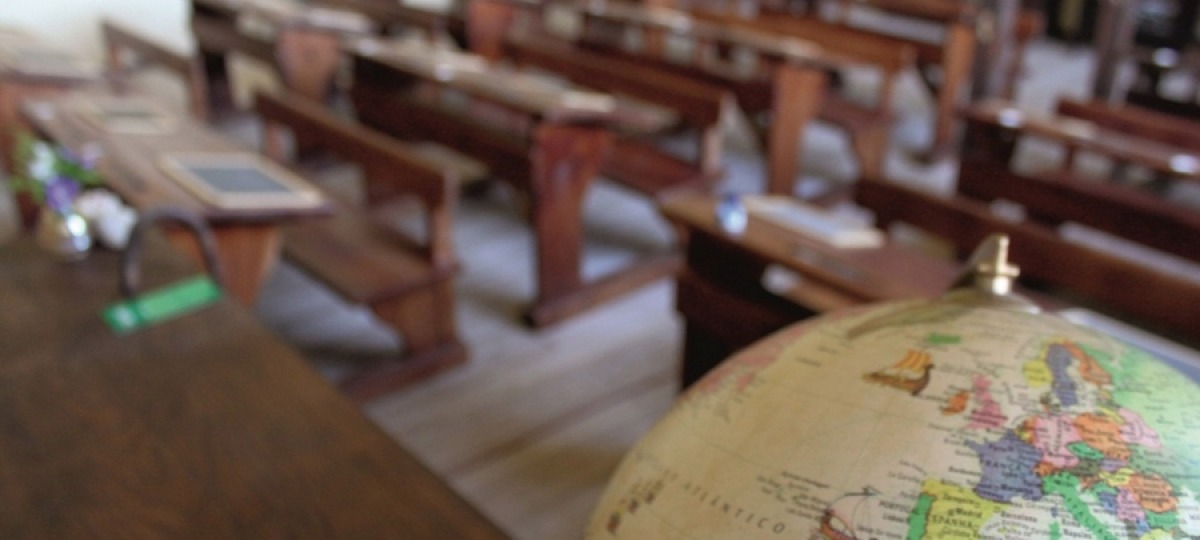
Vilar do Peso School Museum
Created as a secular cultural space, alluding to the school experience of the 20th century, the Vilar do Peso School Museum is an exemplary project for demonstrating local popular culture.
With a detailed reconstruction of the classroom in the different eras from the First Republic to the post 25 April period, it presents and demonstrates all the practices, utensils and
Nature
Teixeirô Viewpoint
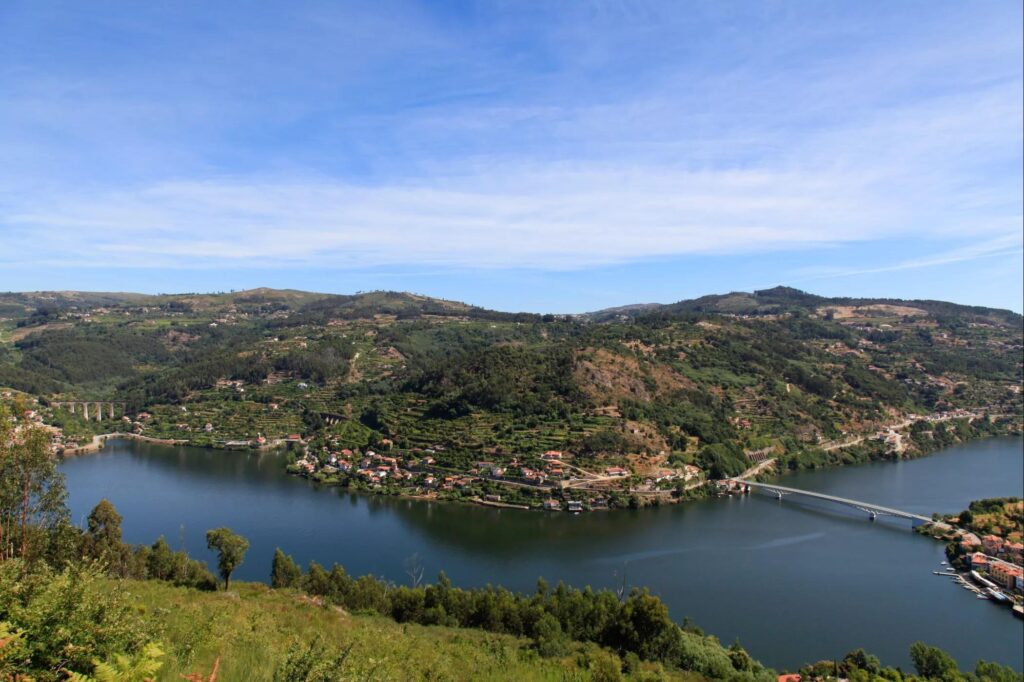
Overlooking the River Douro at the mouth of the Bestança, this viewpoint allows you to contemplate various points of interest in Baião and Cinfães: the Pala reservoir, the villages of Porto Manso and Boassas, the Ancede Monastery, the Douro railway line, the Mosteirô bridge and the Porto Antigo pier.
Bestança Swing
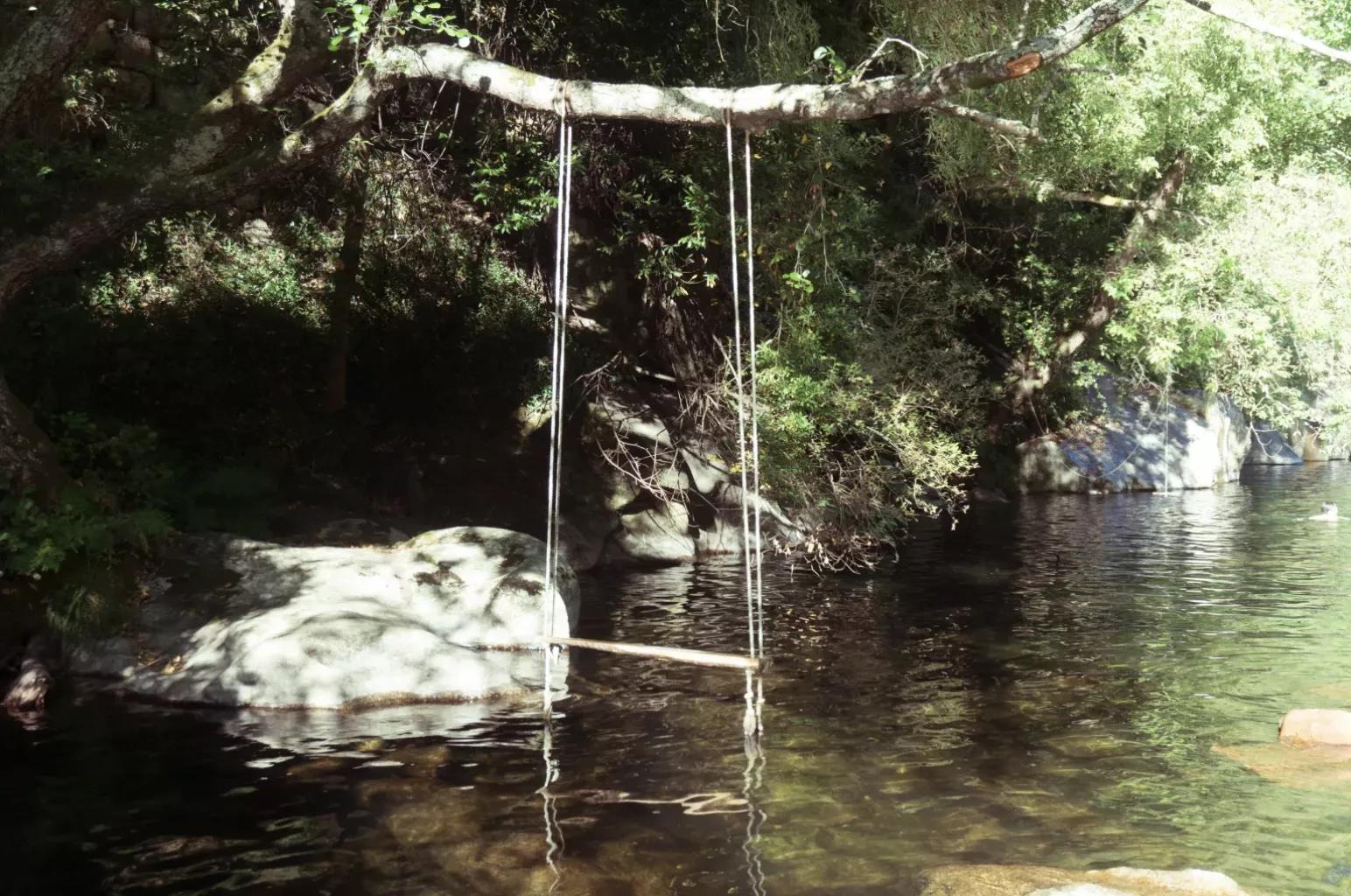
In the middle of the river Bestança, we found a swing perfect for enjoying the hot summer days and for perfect photos in the middle of nature.
Sampaio and Mourilhe Park
The mouth of the Sampaio river, in the middle of the Douro river basin, is a place of passion. It has a footpath along the course of the river, which offers unique views. The Mourilhe area, next to the riverbank, is a waterfront surrounding the Carrapatelo dam, with a wide range of support and leisure facilities.
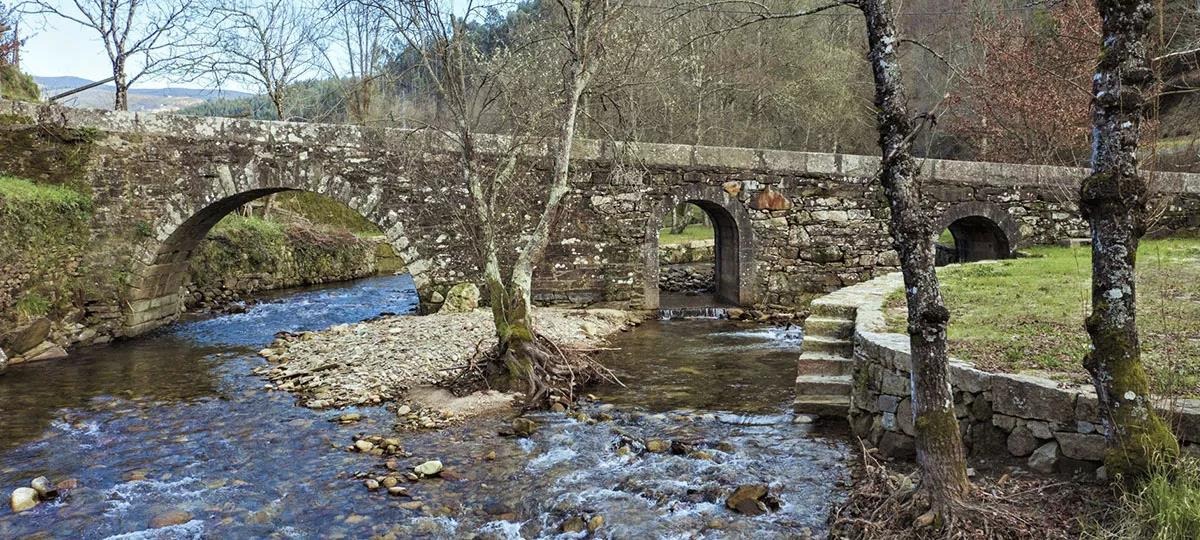
Balsa Bridge Park
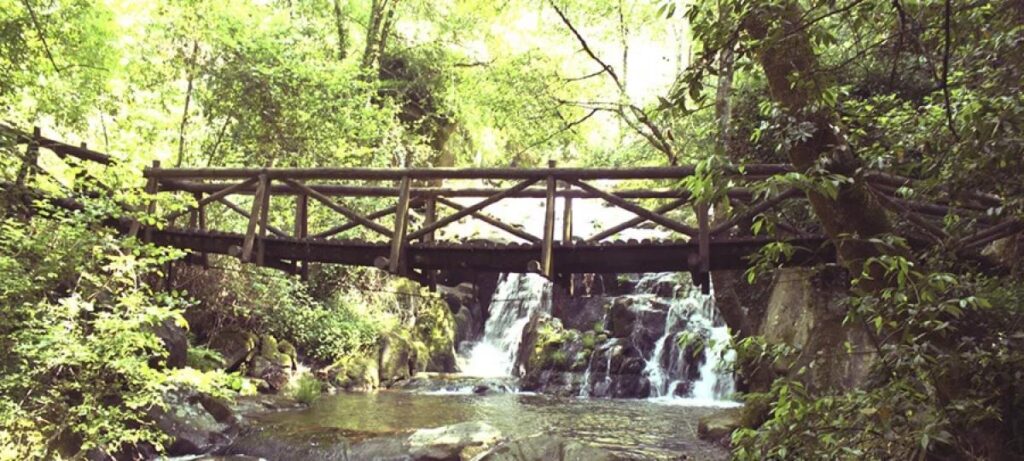
Next to an old arched bridge in a river area, the space has served as a setting for cultural and leisure activities.
Our Lady of Lourdes Park
Located in a wooded area with abundant vegetation, it has stone benches and tables. Due to its natural morphology, it is a natural amphitheatre with excellent acoustic conditions, where various outdoor activities and concerts are held. It is undoubtedly the ex-libris of Nespereira, a place to visit, stroll, rest, have a snack or simply relax in direct contact with nature.
Just to whet your appetite, there's a restored water mill and an old bridge, a former levada that is now an excellent trail, with stretches of walkway, to enter the enchanted forest and discover secrets that were unknown until recently.

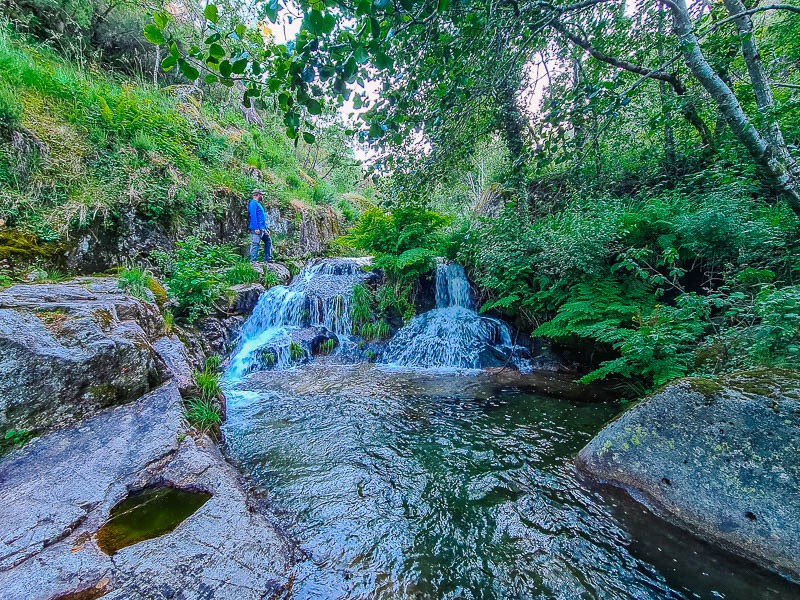
Barrondes Waterfall - Barrondes Leisure Park
The Barrondes Waterfall is far from colossal, but it has such a breathtaking landscape that we couldn't resist putting it in the spotlight as one of the must-see spots on an itinerary to visit Cinfães. Also known as the Ribeira de Tendais Waterfall, this beautiful cascade is formed by the crystal-clear waters of the Ribeiro de Barrondes (or Ribeira de Tendais) in consecutive waterfalls, embraced by dense vegetation, which also give rise to small, refreshing wells.
Next to it are the Barrondes mills and their levadas, which are part of a group of 40 mills dotting the stream from its source in the Serra do Montemuro to its mouth on the River Bestança. The waterfall is no more than 50 metres from the Barrondes Leisure Park, which is small but very pleasant for enjoying the tranquillity and freshness of this natural space, with a water fountain, picnic tables and even barbecues. It's on the side of the road linking Cinfães to Portas de Montemuro, more specifically between the towns of Meridãos and Fermentãos.
Ladario Park
The Ladário forest park is a space with its own identity, with unique natural conditions, based on the set of forest species that mark the history and typology of the place.
It has now been used for hiking on the various existing pedestrian routes, and for mountain biking training and development, due to the great advantages it offers the sport.
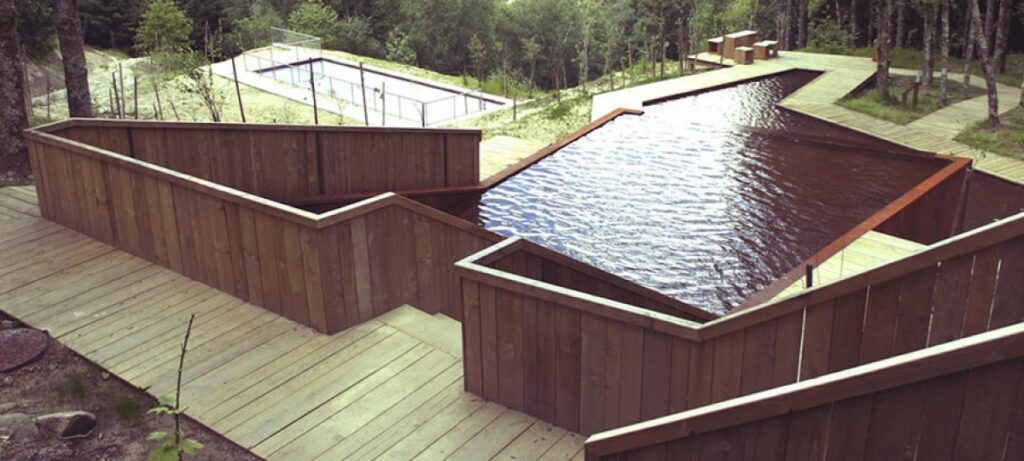

Escamarão Quay - River Beach
Meet the Douro by going down to Cais de Escamarão, where leisure and adventure await you in equal measure. At the confluence of the Paiva River and the Douro River, the small pier has evolved to become one of the best spots for river bathing, water adventures, family picnics or simply spreading out your body on a towel.
Old Port
Porto Antigo was once an important stopping point for the rabelo boats that transported Port wine from the Douro Wine Region to Gaia Quay. Nowadays you won't find rabelo boats there, but on its beautiful quay you'll be able to see a number of boats, including the famous cruise ships that sail the waters of the Douro every day.
From the pier at Porto Antigo you'll also have the chance to see the mouth of the River Bestança and the mirror of water that the Douro is transformed into because of the Carrapatelo Dam. Surrender to the tranquillity and beauty of Porto Antigo's quayside by relaxing on a beautiful terrace at the riverside snack bar. The more active can also find ways to “spend” their time, but in the water.

History
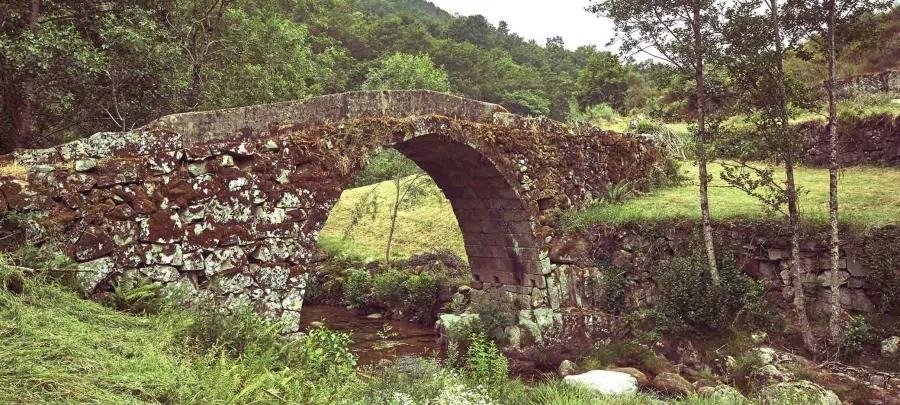
Soutelo Bridge
The bridge at Soutelo, with its medieval features, was built over the River Bestança to connect pedestrian and cow cart traffic on one of the region's most important routes between Soutelo and the town of Granja.
Covelas Bridge
The Covelas Bridge, a modern baroque-style bridge, is located in the parish of Ferreiros de Tendais, crossing the River Bestança between the parishes of Ferreiros and Tendais.


St Peter's Megalithic Park
The Three Mamoas of São Pedro are part of what is known in prehistoric archaeology as megaliths. Inside these monuments, the dead were exhumed and various rituals took place.
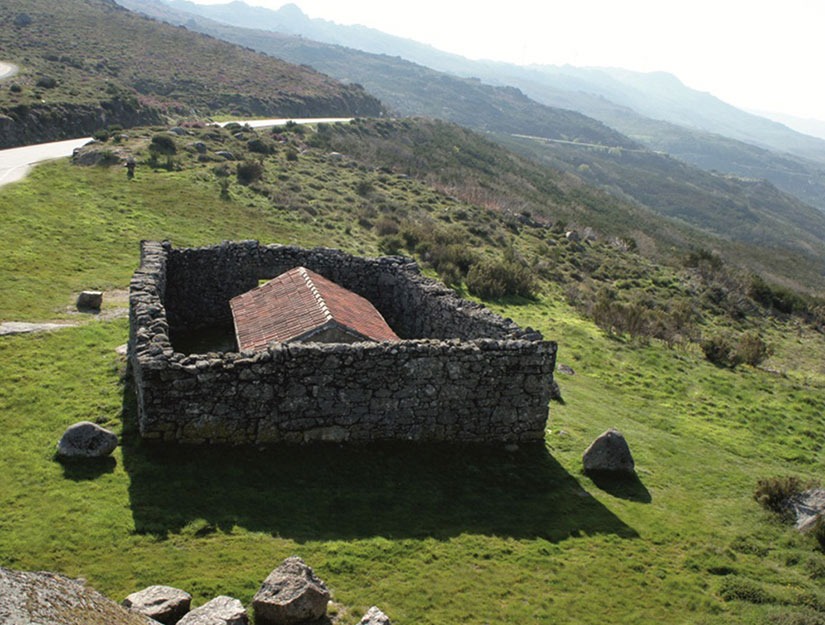
Wall of the Portas de Montemuro
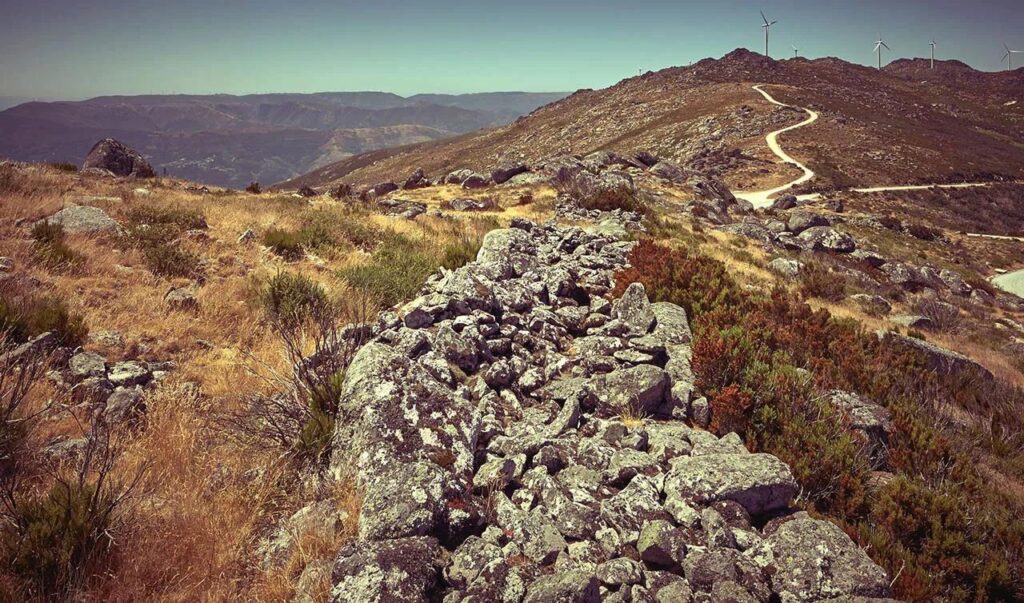
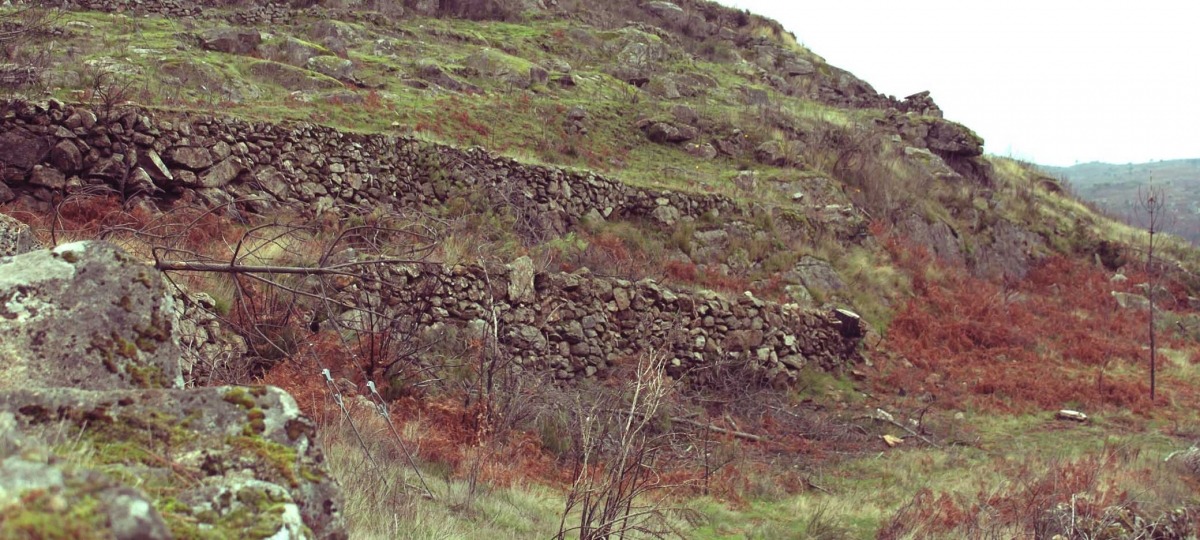
The Portas Wall occupies the border site between the municipalities of Cinfães and Castro Daire known as Portas de Montemuro. The chronological and functional identification of the site has been a mystery for decades, having been theorised as a fort, a Roman camp, a medieval castle and a cattle enclosure.
Monte das Coroas
The archaeological site of Castro das Coroas is located in the parish of Ferreiros de Tendais, more precisely in the place known as Cabouco or Monte das Coroas.
Typologically, it is a castro (fortified settlement) dating from the Iron Age (although there is the possibility of a Bronze Age occupation) and appropriated at least until Roman times.
Also noteworthy is the existence, next to the fort, of two caves dug into the gravel. The two large monuments, among the largest ever found in the municipality, seem to have been used for housing and/or agriculture. And it's very likely that they have been inhabited since the Middle Ages.
Where to eat
Solar de Montemuro Restaurant
Tendais Azevedo, Cinfães 4690-760 Portugal
GASTRONOMY
Portuguese
Meals
Lunch, Dinner

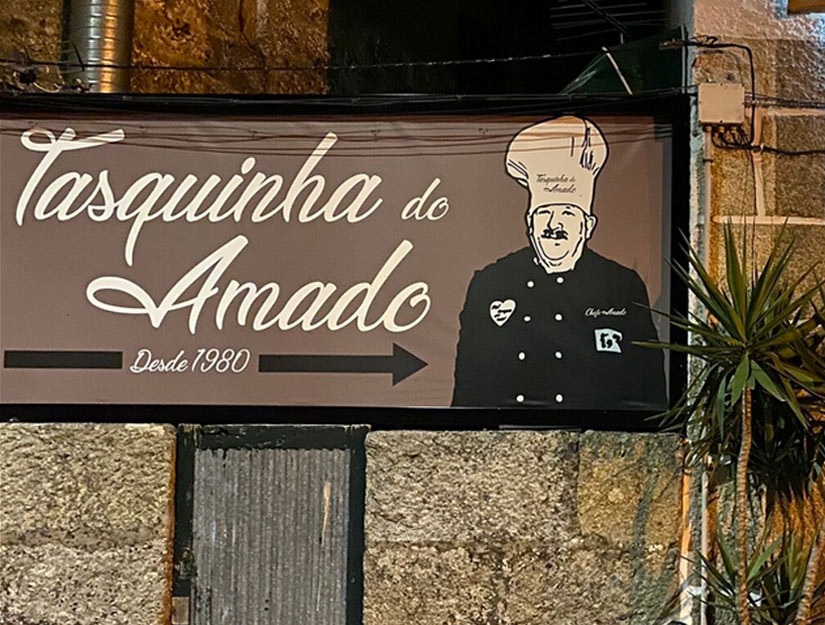
Tasquinha do Amado
Largo das Pombas, Cinfães 4690-029 Portugal
KITCHENS
Steakhouse, European, Healthy, Portuguese
Meals
Lunch, Dinner
Restaurant o rabelo
Rua Capitão Salgueiro Maia, Cinfães 4690-047 Portugal
KITCHENS
European, Mediterranean
Suitable for vegetarians